

 Image 1 of 3
 Image 2 of 3
 Image 3 of 3
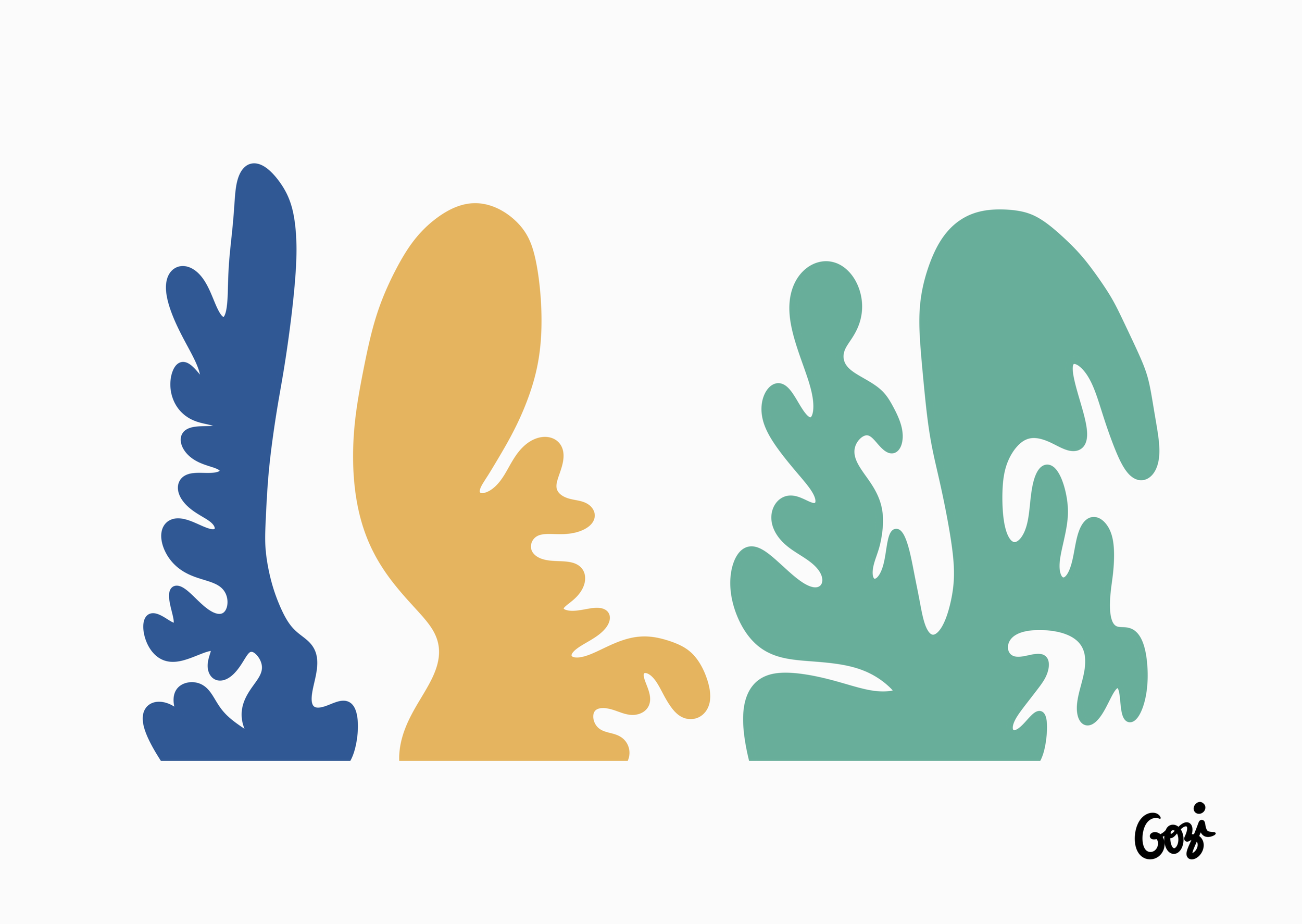
What one first notices about this triptych is its bold commitment to being "almost something." It’s like a conversation where everyone is waiting for someone else to make a point, but nobody does. The artist has achieved a state of masterful irrelevance.
The Verticality: It’s reassuringly upright. Like three quite polite, but entirely uncommunicative, people waiting for a bus. There's an admirable refusal to collapse into chaos.
The Shapes:
The Blue (Left): A valiant attempt at seaweed, or perhaps a particularly frustrated tree. One admires the effort to look organic, even if it feels a little staged.
The Ochre (Middle): A fascinatingly ambiguous form. Part squashed potato, part profile of someone attempting to hide their confusion. It’s the visual equivalent of clearing your throat.
The Teal (Right): A much larger shape that seems to have had a slightly more decisive moment of formation. Like a large, wet plant that’s decided to lean. It’s the quietest, but perhaps the most self-assured, of the three.
The Spacing: The gaps between them are commendable. It suggests a healthy level of mistrust between the elements. No one is getting too close to anyone else, which is very proper.
This piece is ideal for a wall that you want to fill, but without actually saying anything. It avoids any of that dreadful obviousness. It offers a perfect escape for anyone trapped in a social setting who needs a visual object to stare at intently while saying, "Ah, yes, the interplay of form..."
"It’s... perfectly serviceable. Does the job." — A surveyor assessing a potential property while ignoring the damp.
In summary, it’s a piece that sits on the wall with the serene confidence of someone who has absolutely nothing to do and is very good at it. Rather good, really.
What one first notices about this triptych is its bold commitment to being "almost something." It’s like a conversation where everyone is waiting for someone else to make a point, but nobody does. The artist has achieved a state of masterful irrelevance.
The Verticality: It’s reassuringly upright. Like three quite polite, but entirely uncommunicative, people waiting for a bus. There's an admirable refusal to collapse into chaos.
The Shapes:
The Blue (Left): A valiant attempt at seaweed, or perhaps a particularly frustrated tree. One admires the effort to look organic, even if it feels a little staged.
The Ochre (Middle): A fascinatingly ambiguous form. Part squashed potato, part profile of someone attempting to hide their confusion. It’s the visual equivalent of clearing your throat.
The Teal (Right): A much larger shape that seems to have had a slightly more decisive moment of formation. Like a large, wet plant that’s decided to lean. It’s the quietest, but perhaps the most self-assured, of the three.
The Spacing: The gaps between them are commendable. It suggests a healthy level of mistrust between the elements. No one is getting too close to anyone else, which is very proper.
This piece is ideal for a wall that you want to fill, but without actually saying anything. It avoids any of that dreadful obviousness. It offers a perfect escape for anyone trapped in a social setting who needs a visual object to stare at intently while saying, "Ah, yes, the interplay of form..."
"It’s... perfectly serviceable. Does the job." — A surveyor assessing a potential property while ignoring the damp.
In summary, it’s a piece that sits on the wall with the serene confidence of someone who has absolutely nothing to do and is very good at it. Rather good, really.